Greece tours turn a long list of famous places into a smooth, stress-free trip that suits you. Couples, families, friends, solo travelers and first-timers all find a style that fits, from slow city walks to lazy days at sea.
This guide shows what to see, which kinds of tours exist and what comes with them. My Greece Tours follows a simple plan: pick the region, pick the style, then check what is included before you pay.
What Makes Greece Tours In The Classical Sites Worth Booking?
Yes, they are worth booking. A good route links big landmarks into one smooth day, so travelers see more and worry less. Compare routes on Greece tours and Tours In Greece before you choose a plan that fits your pace.
Which landmarks are worth the trip in the classical sites?
Delphi is a sanctuary where visitors once asked a famous oracle for advice. The cliff-top monasteries of Meteora perch on towering rock pillars. Mycenae is a hilltop citadel, a fortress city guarded by the famous Lion Gate at its entrance.
Epidaurus has a theatre famed for its remarkably clear sound. Nafplio is a pretty harbour town with lively streets and cafes. Ancient Olympia is where the Games began, and the canal at Corinth slices through a narrow neck of land.
Which Greece tours work best in the classical sites?
Small tours with a few travelers suit anyone who wants a calm pace and plenty of time for questions. Full-day trips from Athens by coach suit first-timers who want the big names without the stress of driving.
Guided walking tours bring ruins to life for curious couples and families. Entry tickets suit travelers who want to explore at their own pace. Multi-day tours with hotel nights suit those who want Delphi, Meteora and Olympia without rushing.
Which inclusions matter on Greece tours in the classical sites?
A licensed or local guide turns stones into stories and answers the questions a sign cannot. This matters most at ruins, where few labels explain what you see or why it mattered. Context makes every wall more fun.
Entry tickets save time, because travelers skip the ticket line and start walking at once. Hotel nights on multi-day trips mean no daily repacking, a real bed after a long day and fresh energy for early starts.
How can you enjoy the classical sites more?
Start early, because mornings are cooler and quieter. Wear sturdy shoes, bring water and a hat, and pack a light layer for windy hilltops. Old paths are uneven, so watch your step.
Save the biggest climb for when your legs are fresh, and rest in the shade between sites. Keep a snack handy so a long visit stays fun.
What Should You Know About Greece Tours In Athens?
Athens keeps its biggest sights close together, so a guided plan saves time and energy for the rest of your day. Greece tours in the capital mix history, food and sea time into one easy plan for the day.
Which landmarks are worth the trip in Athens?
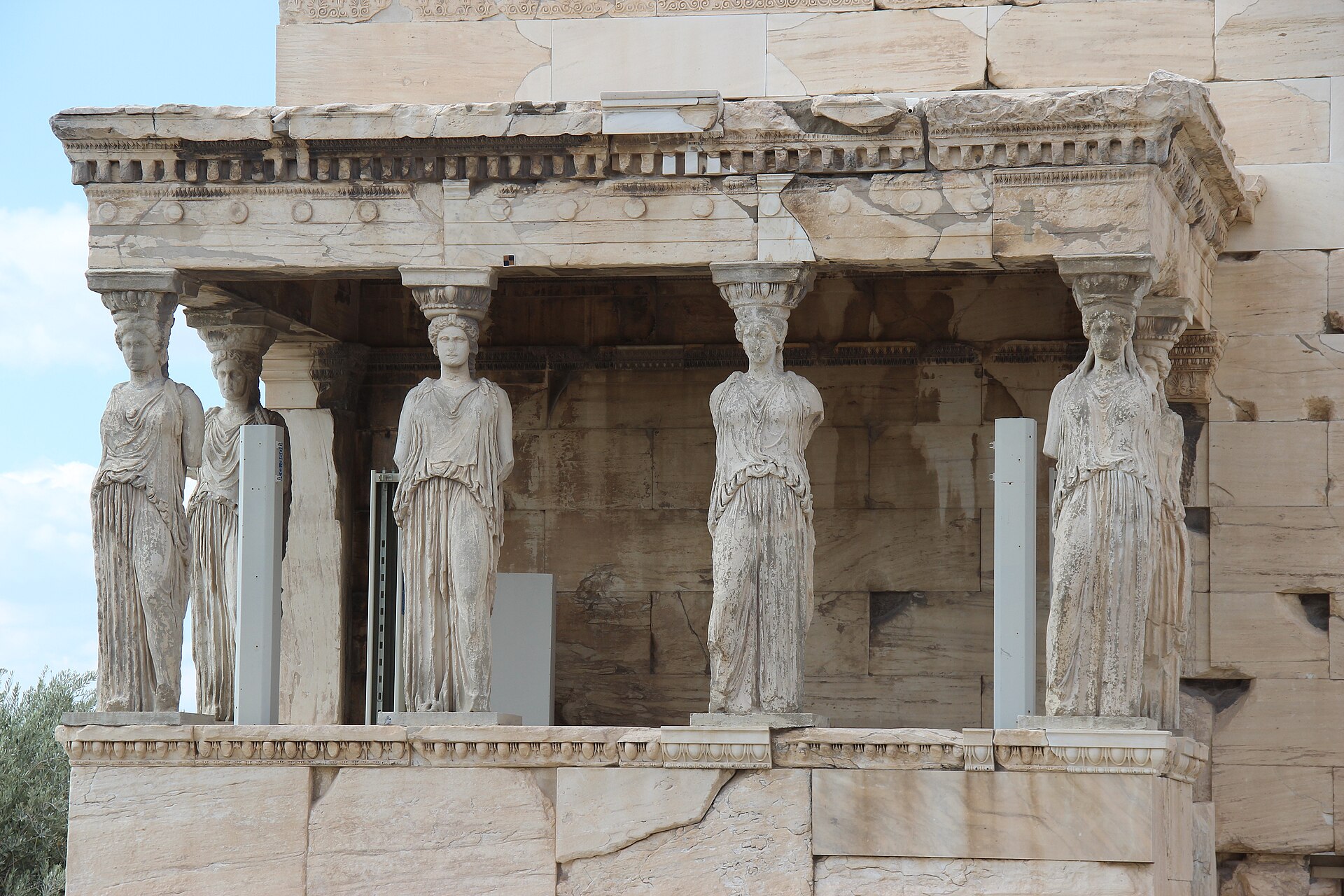
The Acropolis crowns the city with the Parthenon and the Erechtheion, famous for its stone maidens. The Acropolis Museum below shows the statues and carvings that once stood on the hill. The Ancient Agora was the city’s busy old marketplace.
The Temple of Olympian Zeus still has giant columns. Plaka and Monastiraki offer winding lanes, cafes and flea market stalls. Lycabettus Hill offers a sweeping view over the rooftops, and the Temple of Poseidon at Cape Sounion glows at sunset.
Which Greece tours work best in Athens?
Private tours with a driver-guide or skipper suit families and couples who want their own pace. They carry one set rate for the whole car or boat. Boat cruises with swim stops suit sun lovers and friends.
Guided walking tours suit first-timers who want clear stories at each stop. Cooking classes and wine tastings suit food fans and solo travelers who like to meet people over a table. Each style leaves room for questions and photos.
Which inclusions matter on Greece tours in Athens?
A licensed or local guide explains what you see and points you to the best lanes. A lunch or BBQ meal keeps energy up, and drinks, sometimes unlimited, make a boat day feel easy for everyone on board.
Wine tastings add flavor and local stories, while swim stops give everyone a cool break from the city heat. Together these extras turn a simple outing into a full, relaxed day that you remember long after the trip.
How can you enjoy Athens more?
Visit the Acropolis early, before the heat and the crowds build. Wear grippy shoes, because the marble is slippery, and bring water, a hat and sunscreen.
Pair the paid sights with free attractions in Athens, like hilltop views and old streets. Walk the lanes at dusk, when the air cools, the lights come on and the old streets glow.
What Can You Expect From Greece Tours In Crete, Rhodes And Corfu?
Expect big history, blue water and relaxed days, because each of these islands mixes old fortresses with sandy beaches and lively harbours. Greece tours here suit a slow pace as much as a busy one, so choose by mood.
Which landmarks are worth the trip in Crete, Rhodes and Corfu?
Knossos is the palace of the ancient Minoans, near the busy port city of Heraklion. Chania charms visitors with its Venetian port and soft golden evening light. Balos lagoon glows in shades of turquoise beside a wild sandy coast.
On Rhodes, the Street of the Knights leads through a medieval old town. The acropolis of Lindos crowns a white village above a bright bay. Corfu has grand sea fortresses, and the Blue Caves of Zakynthos glow on boat rides.
Which Greece tours work best in Crete, Rhodes and Corfu?
Private tours with a driver-guide or skipper suit couples and families who like their own schedule. They carry one set rate for the whole car or boat. Boat cruises with swim stops suit friends and anyone who loves the sea.
Full-day trips from Athens by coach suit travelers who pair the capital with the islands. Cooking classes and wine tastings suit solo travelers and food lovers who want a local table. Each style fits a different mood and pace.
Which inclusions matter on Greece tours in Crete, Rhodes and Corfu?
A lunch or BBQ meal by the sea is a highlight, and drinks, sometimes unlimited, keep everyone cool and happy. A licensed or local guide shares the stories behind forts, ports and old stone streets you would pass alone.
Free time to explore lets you wander alone, shop, rest or find a quiet cafe. Wine tastings introduce island flavors, and swim stops reward a hot morning of sightseeing with a long dip in clear water.
How can you enjoy Crete, Rhodes and Corfu more?
Choose spring or autumn when you can, and start early to beat the heat. Pack a hat, a light cover-up and reef-safe sunscreen. Carry water on every outing, because shade is scarce at open sites.
Travelers who enjoy Corfu can add Kefalonia, a green island in the Ionian Sea. Give it a slow day for beaches and quiet villages.
What Do Greece Tours In The Aegean Islands Offer Visitors?
They offer sunsets, white villages and clear water, with days that mix sightseeing and swimming in an easy rhythm for every traveler. Greece tours turn a scattered map of islands into a clear plan that is easy to follow.
Which landmarks are worth the trip in the Aegean islands?
Oia on Santorini is famous for its sunset, and the nearby volcano and hot springs add a wilder side to the trip. Mykonos is known for its beaches and windmills, while ancient Delos, close by, was a sacred island.
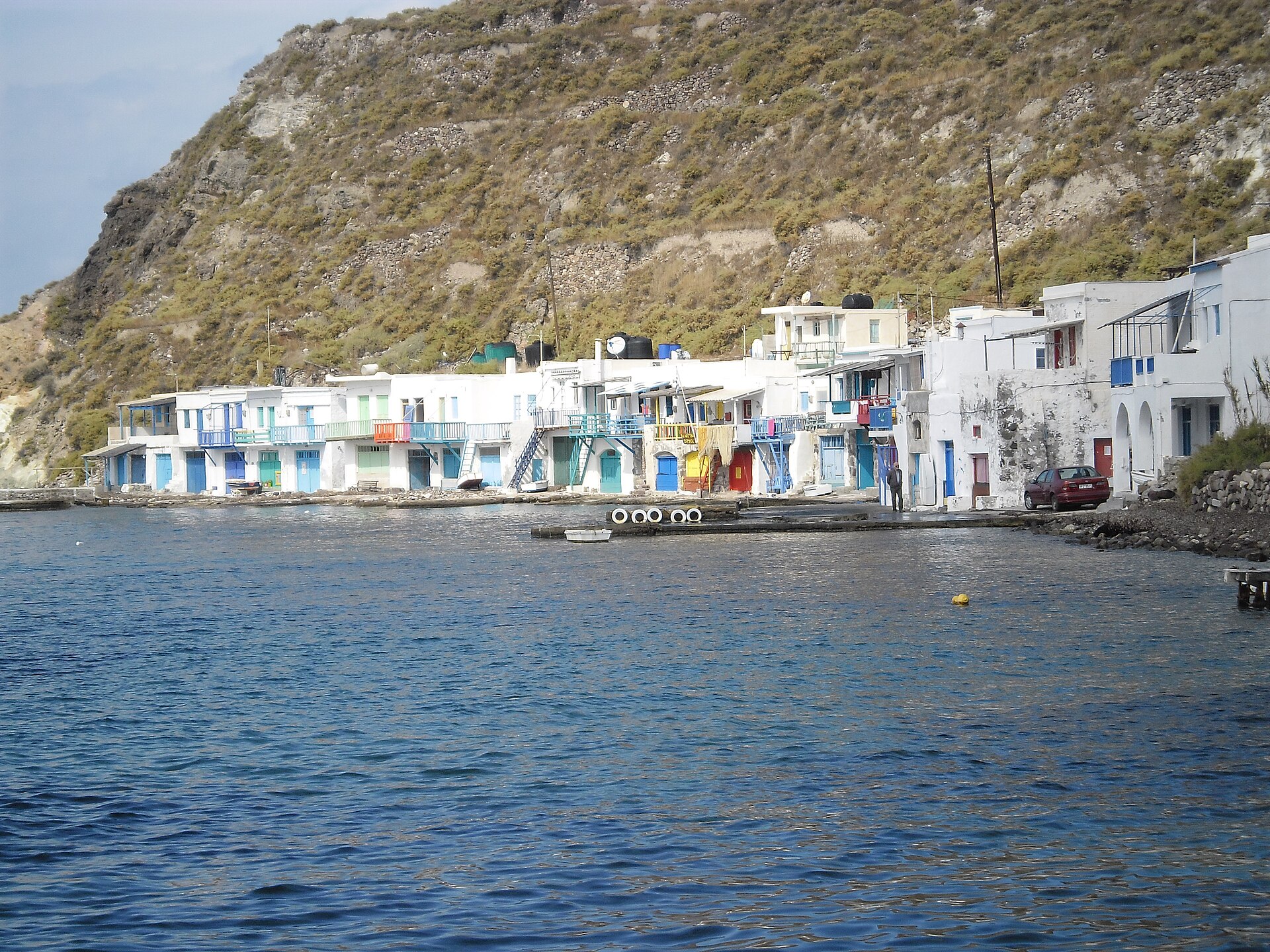
Milos shows off the white rocks of Sarakiniko, shaped like a moon landscape under the sun. Naxos has a huge marble gateway standing beside the sea. Lefkes on Paros is a marble village of quiet, winding lanes and shady squares.
Which Greece tours work best in the Aegean islands?
Private tours with a driver-guide or skipper suit couples and families who want their own pace. They carry one set rate for the whole car or boat. Small tours with a few travelers suit solo travelers who want company.
Boat cruises with swim stops suit friends who love the sea. Full-day trips from Athens by coach suit those short on time. Snorkel and beginner scuba trips suit active families, and cooking classes and wine tastings suit food lovers.
Which inclusions matter on Greece tours in the Aegean islands?
A lunch or BBQ meal on deck or on the sand lets everyone relax, and drinks, sometimes unlimited, keep the mood cheerful. Snorkel gear is ready to use, so beginners can join in without buying any kit of their own.
Wine tastings pair island flavors with calm views, and swim stops let you cool off in clear bays whenever the heat builds. These extras save effort and stress, and they make the day feel complete from start to finish.
How can you enjoy the Aegean islands more?
Reach Oia early to claim a good sunset spot, because the lanes fill fast. The sea can feel windy, so pack a light jacket, sunscreen and a dry bag for your phone.
Choose morning sailings when the water is calmer. Keep your camera ready for the moment the sun touches the sea. Bring a small towel for swim stops.
Conclusion: Top Greece Tours, Planned Well
Top Greece tours reward travelers who plan ahead and stay curious. Pick the regions you love and match them to a tour style that fits your pace. Then check what each booking includes before you pay.
For a calm, personal day, look at authentic private tours in Greece and keep your plans flexible. Leave some free time, too. Then enjoy the part no guide can arrange, the moment a view first takes your breath away.
Frequently Asked Questions About Top Greece Tours
Do Greece tours run in all weather?
Most tours run in light rain or heat, and guides adjust the pace to suit the day. Strong wind can pause boat trips, and the host then offers another day or a different plan for the same trip.
Can Greece tours start from a cruise port?
Yes, many tours pick up travelers at cruise ports and plan the whole day around the ship’s schedule. Check your ship’s return time and pick a plan that ends well before it sails, so you never rush.
Are Greece tours good value?
Yes, when the day includes a guide, entry tickets and a meal, because those costs add up when booked alone. Compare what each tour covers, not only the headline rate, and pick the one that fits your plans.
How early should you book Greece tours?
Book popular island cruises and private tours well ahead in the busy summer months, when seats go first. Walking tours and day trips are easier to arrange closer to your date, though early booking gives you more choice of times.
Do Greece tours include lunch?
Some do and some do not, so read the inclusions list on the tour page before you book. Many boat cruises add a lunch or BBQ meal, but walking tours leave meals up to you and your appetite.
Can you change Greece tours after booking?
Many bookings allow changes before a set cutoff, which the tour page lists clearly. Read the cancellation terms before you pay, and message the host early if plans shift, so you can find a new slot.
Why do guided Greece tours help?
On Greece tours, a guide explains what visitors see, so ruins, statues, and old streets become clear stories with real meaning. That context is the main gain, because a site without a story is only a pile of stone.
Guides add meaning to Greece tours
A local guide links each stop to the bigger story of the country. A short lesson in the basics of Greek history makes every stop easier to follow.
Couples, families, friends, and solo travelers all gain from this. Questions get answers on the spot instead of being left to a small sign.
These small answers add up over a full week. Visitors go home with facts they can repeat at dinner, not just photos of unnamed columns.
Guides also explain why buildings look the way they do. Columns, roofs, and carved stone follow clear rules, and famous Greek architecture shows those rules at their best.
Guides open the local side of Greece tours
Guides know the quiet corners, the shortcut paths, and the best shade. That saves energy for the parts of the day that matter most.
Stories sit behind many places too. A guide at one of the top Greek mythology sites can say which tale belongs to which hill, spring, or cave.
Food gets the same help. In a busy city market, a guide names unfamiliar cheese, fruit, and pastries. The best food markets across Greece make a tasty start.
Local tips like these are hard to find alone. A guide shares them freely, and travelers return home with ideas for the next trip.
How do you plan rest around Greece tours?
A lighter block after each busy tour, with a long lunch and shade, keeps Greece tours fun and not tiring. Heat, stairs, and long walks add up fast, so rest is part of the plan and not a bonus.
Slow down after a long outing
A big outing fills the whole day with bus rides and walking. Many day trips from Athens work this way, so the next morning needs a late start.
Pools, beaches, and shady squares give tired legs a break. A short walk and a cold drink often do more than another sight.
Families with young children gain most from a quiet hour back at the room. Nap time and snack time fit best around the busiest stops.
A relaxed morning also protects the days that follow. Tired travelers rush, skip details, and remember less, while rested ones enjoy every stop.
Treat ferry days as rest on Greece tours
Sea days can double as rest days. On island tours from Athens, travelers sit on deck, watch the coast pass, and save energy for the next stop.
Moving between islands needs a spare buffer. Smart island-hopping routes show how ferries and flights connect, so a late boat does not ruin the plan.
Seats outside, light snacks, and a hat make a long crossing easy. Anyone who feels the waves can ask a pharmacist for simple advice before sailing.
Rest also helps the mood on Greece tours. A calm traveler enjoys the next day far more than a worn-out one.
How do you find the meeting point for Greece tours?
The booking message names the exact spot, and a map pin plus a nearby landmark confirms it before Greece tours begin. Busy squares hold several meeting spots at once, so the full name of the place matters.
Read the booking details early
For most Greece tours, the confirmation message lists the place, the time, and a contact number for the guide. A saved screenshot helps when the phone signal drops.
Hotel desks also know the usual pickup corners. One quick question the night before saves a long search in the morning.
Walking the route once, in daylight, removes surprises. Couples and solo travelers both gain from knowing which street, gate, or steps to look for.
Allow extra time at ruins and museums
Entrances at major ruins often sit far from the main road. The practical guide to ancient Greek ruins shows how gates, paths, and ticket areas connect.
Museums follow the same pattern. The art and museums guide helps with entrances and floor plans, so the day starts calm.
Only state-licensed guides may lead visitors inside Greek archaeological sites and museums. A valid license marks a real guide.
Arriving early also leaves time for water, restrooms, and a calm look around. On busy mornings, Greece tours start on schedule, so late arrivals miss the opening stories.
How do you decide between private and shared Greece tours?
Private Greece tours fit a custom pace and special interests, while shared tours cost less and add easy, friendly company. Neither choice is better for everyone, so match it to the people traveling and the sites on the list.
When private Greece tours fit best
Families with young children, mixed ages, or fast and slow walkers gain from a private guide who sets the speed. The route can follow one theme all day.
Story lovers enjoy a private day built around Greek legends and historical sites. The guide links each tale to a real place on the map.
Private guides also change plans when weather turns or energy drops. That freedom is worth the higher cost for many travelers.
Couples often choose this style for quiet, personal days. Friends use it to follow a single interest, such as food, art, or old stones.
When shared Greece tours fit best
Solo travelers and friends often like shared tours, because the cost is split and new people are easy to meet. The schedule is fixed, so the day runs smoothly.
Tastings suit this format well. A shared outing to popular wine regions lets everyone enjoy local bottles while a driver handles the road.
Shared tours also suit first-time visitors who want a simple start. The guide handles tickets, timing, and directions.
A mixed plan also works well. Pick a shared tour for the big sights, then book a private guide for one special interest.
Which Greece tours suit young children?
Short, flexible Greece tours with beaches, boats, and easy paths suit young children, because small legs tire fast and play matters. A story, a snack, and a place to run keep every stop calm for parents too.
Pick easy routes and short days
Strollers struggle on steep stone paths and old cobbles. Flat sites, seaside walks, and short museum visits work far better than long, tiring climbs in the heat.
Short stops at lookout points let children stretch and run. The scenic drives in mainland Greece suit this slow rhythm.
Trains thrill many young children, with a window seat and a moving view. The best scenic train rides in Greece turn travel time into a treat.
Early lunches and a shaded picnic spot help a lot. Hungry children tire fast, while a cool seat and a snack bring the smiles back.
Turn each stop into a game on Greece tours
Children enjoy a treasure hunt more than a lecture. A guide can ask them to spot animals, faces, and patterns carved in old stone.
Myths work well at this age. Short tales about heroes and sea monsters make Greece tours feel like an adventure book.
Water play keeps energy balanced. A beach stop after a ruin lets children run, splash, and reset before the next story.
Small jobs also help, such as holding the map or finding the next sign. A child with a role stays engaged and proud of the day.
Which Greece tours suit teenagers?
Active Greece tours with hands-on stops, sports, and nature suit teenagers, because they like doing more than listening to long talks. Short talks, real choices, and some free time keep teens interested and cooperative.
Give teens action and nature on Greece tours
Hiking, kayaking, and swimming fit easily into many days. Teens burn energy and see wild coasts and mountains up close, which beats a screen.
Wildlife adds a thrill of its own. The best nature reserves in Greece offer wetlands, forests, and quiet trails where phones matter less.
Many teens also care about the planet. The guide to sustainable travel in Greece gives them simple habits, such as carrying a refillable bottle and leaving no trash.
Free evenings matter at this age. A short swim or a seafront walk lets teens enjoy the place on their own terms.
Let teens help shape the plan
Teens engage more when they choose a stop, a snack, or a photo spot. Shared choices turn a parent-led trip into a team effort.
A guided walk through narrow streets, street art, and hidden courtyards suits teens who like exploring on foot. Ideas for walking tours in Greece are easy to find.
Off-the-path places feel like real discoveries. The hidden gems beyond the tourist trails give teens spots their friends have not seen.
Photo and video tasks turn Greece tours into a friendly contest. Teens remember places better when they record them in their own style.
Which Greece tours suit adults?
Adults enjoy Greece tours with depth, such as food, wine, history, and sunsets, plus enough free time to wander on their own. Couples, friends, and solo travelers each shape the mix differently, so variety is the real key.
Mix culture with slow time
Museums, monasteries, and old towns can fill the morning. Long lunches, sea swims, and evening strolls fill the rest of the day.
Monasteries ask for modest clothing and quiet voices. The guide to visiting Greek monasteries covers the rules, so adults arrive ready to be respectful.
Free time matters as much as the plan. Couples and solo travelers both enjoy a cafe table, a market lane, or a quiet bench between stops.
Food stops add flavor to the day. A family taverna, a bakery, or a small tasting gives a clear taste of each region.
Time the big sights well on Greece tours
Adults who want the Acropolis should plan around the crowds. Early starts and late afternoons feel calmer, as the advice on avoiding crowds at the Acropolis explains.
Tickets need a plan too. A short read on buying Acropolis tickets in advance helps adults decide what to book ahead. Open time stays for the rest.
Evenings suit adults well, with seaside dinners, rooftop views, and local music. An evening stop gives Greece tours a relaxed finish.
Sunset spots fill up fast, so a small plan helps. A calm table with a view is worth the wait for most adults.
Which Greece tours suit seniors?
Gentle Greece tours with level paths, plenty of seats, and a relaxed pace suit seniors, so every stop stays comfortable. Many sites have steep steps and uneven stone, so a driver and a patient guide make a real difference.
Pick comfort over distance on Greece tours
Seniors enjoy tours with door-to-door transport, shaded rest spots, and short walks. Fewer stops with more time at each one feel better than a packed list.
Comfortable shoes, a hat, and water matter more than any gadget. A slow pace also leaves room for conversation, photos, and a coffee in the shade.
Clear communication helps too. A guide who checks in often and repeats the key points makes the day smoother for everyone.
Scenic travel needs little effort. Sea and mountain views are easy to enjoy from a seat on a boat, a bus, or a train.
Add customs and calm stays
Many seniors love local festivals, church bells, and village traditions. A look at Greek holiday customs and traditions helps in choosing the best season.
Peaceful rooms make a big difference. The list of eco-friendly places to stay covers the mainland and the islands, so a calm base is easy to find.
Rest days keep the trip enjoyable. Greece tours with a free afternoon now and then suit this age well.
Simple extras such as a seat in the shade, an elevator, or a ground-floor room add comfort. These details are worth asking about before booking.
Which places do Greece tours visit?
Greece tours visit island favorites, ancient mainland sites, and large islands, so travelers can mix beaches, history, and food in one trip. Each place below has its own page with more detail on what to see and do.
Islands
The Cyclades are small, bright islands made for sea views and slow days. Many Greece tours pick a few and link them by ferry, so each stop feels different.
- Santorini, known for white villages on cliffs above a sunken volcano.
- Naxos, known for sandy beaches, mountain villages, and a giant marble gate.
- Paros, known for fishing harbors, white lanes, and calm beaches.
- Milos, known for white rock shores, painted fishing huts, and clear water.
- Ios, known for lively beaches, a hilltop town, and a busy night scene.
Mainland
The mainland holds the ancient sites behind many famous stories. Short road trips from the capital link them, and a local guide explains what each ruin once was.
- Athens, known for the Acropolis hill, old neighborhoods, and a lively food scene.
- Delphi, known for a mountain sanctuary where a priestess gave advice.
- Olympia, known for being the birthplace of the ancient Olympic Games.
- Mycenae, known for a hilltop fortress and the famous Lion Gate.
- Epidaurus, known for an ancient theater with remarkably clear sound.
Large islands
Large islands hold enough sights to fill several days each. Some Greece tours spend a whole stay on just one of them. A car or bus ride reaches the far corners.
- Crete, known for being the largest Greek island, with ancient palaces and gorges.
- Rhodes, known for its walled old town from the Middle Ages.
- Corfu, known for green hills and an old town with Italian-style streets.
- Zakynthos, known for the shipwreck beach and bright blue sea caves.
How do you plan Greece tours over five days?
Start in Athens, add one mainland site, then finish on an island, so five days of Greece tours stay full but calm. That order starts with the biggest sights and ends with rest.
Begin with Athens on Greece tours
Athens suits the opening days, because the Acropolis, old neighborhoods, and top museums sit close together. A first walk through the center also helps visitors find their feet.
The capital works as the hub for every later step. A plan such as the Athens, Santorini, and Mykonos route shows how the city leads to the islands.
Dinner in a local taverna and an early night prepare everyone for the next day. Cafes, small squares, and rooftop terraces offer plenty of relaxed choices.
The Acropolis tells the main story of ancient Athens, with its temples standing high above the city. Museum visits then fill in the details with statues and everyday objects.
Add one mainland site
Delphi, Olympia, Mycenae, and Epidaurus each reward a full day of slow walking. One site is enough, because rushing through two ruins blurs both.
Travelers who like to drive on their own can read about self-guided Greece itinerary planning. Guided days make the stories behind each ruin easier to follow.
Water and sun cover matter at the ruins, since shade is rare at ancient sites. A sun hat and good shoes make the long walk much easier.
Delphi suits travelers who love myths, while Olympia appeals to sports fans. Mycenae and Epidaurus bring early kingdoms and ancient theater to life.
Finish on an island
Islands give the final days a slower rhythm. Santorini, Naxos, and Paros each suit a short stay with beaches, sunsets, and village lanes.
Ferries and short flights link the capital with the islands. The notes on Greek island hopping explain how to connect them.
A last day at the beach, with no tours at all, makes a fitting end to Greece tours.
Sunset on the water is a gentle reward after busy days. Couples, families, friends, and solo travelers all enjoy the slower pace.
More questions about Greece tours
These short answers cover the small details that make Greece tours easier, from snacks and walking pace to booking and packing. Each answer is brief and practical, so there is no need to read long rules.
Can you bring snacks on Greece tours?
Yes, small snacks and a refillable water bottle are fine on most tours, but food must stay out of museums. Fruit, nuts, and simple bars travel well and do not melt in the sun.
Are Greece tours fine for people who walk slowly?
Yes, many tours suit slow walkers, especially those with seats, short routes, and easy transport between stops. Telling the operator about the pace before booking helps match the route to the walker.
Can a family book a private boat on Greece tours?
Yes, families can book a private boat on many island tours, with a captain who sets the route and pace. Private boats make swimming stops easy for children, though the cost stays higher than a shared boat.
Can you pay for several Greece tours in one booking?
Yes, many operators let travelers add several tours to one booking, with a single payment and one set of details. That keeps dates and meeting points in one message, which makes the trip easier to follow.
Which bag suits Greece tours best?
A small daypack with padded straps suits most tours best, because it keeps both hands free for stairs, rails, and photos. Zip pockets protect phones and wallets in crowded places, and a light bag stays comfortable in the heat.
What should you pack for Greece tours?
Pack comfortable walking shoes, a sun hat, sunscreen, a refillable bottle, and light layers for sea breezes and cool evenings. A swimsuit, a light scarf for churches, and a phone charger complete the list.
See more in Alexandrafarmaki: